LaserPortal.fun LaserTag / LaserGame

What is Laser Game / Laser Tag

Laser game, laser tag and lasergame

The activity is usually the same idea: players wear sensor vests, use safe infrared phasers and score points by tagging opponents or arena targets. Different countries and arenas use different names. Czech arenas often say lasergame or laser game, while English-speaking markets more often say laser tag.

How a game works

Before the round, staff set the game mode, teams, time limit and scoring rules. During the game, your equipment records hits, deactivations, bonuses and objectives. After the round, players usually receive a score sheet with accuracy, hits and ranking.

Common systems

Laserforce, Laser Game Evolution, Zone Laser Tag and other systems all support classic team and solo games, but they differ in vest behavior, target features, special abilities, scoring options and statistics. The same mode name can therefore feel slightly different in each arena.

Game modes

Laser game is not one single game, but a family of many game modes. They differ in objectives, team setup, pace and difficulty for beginners, intermediate and experienced players; the available games and their rules also depend on the system and arena settings.

Equipment types

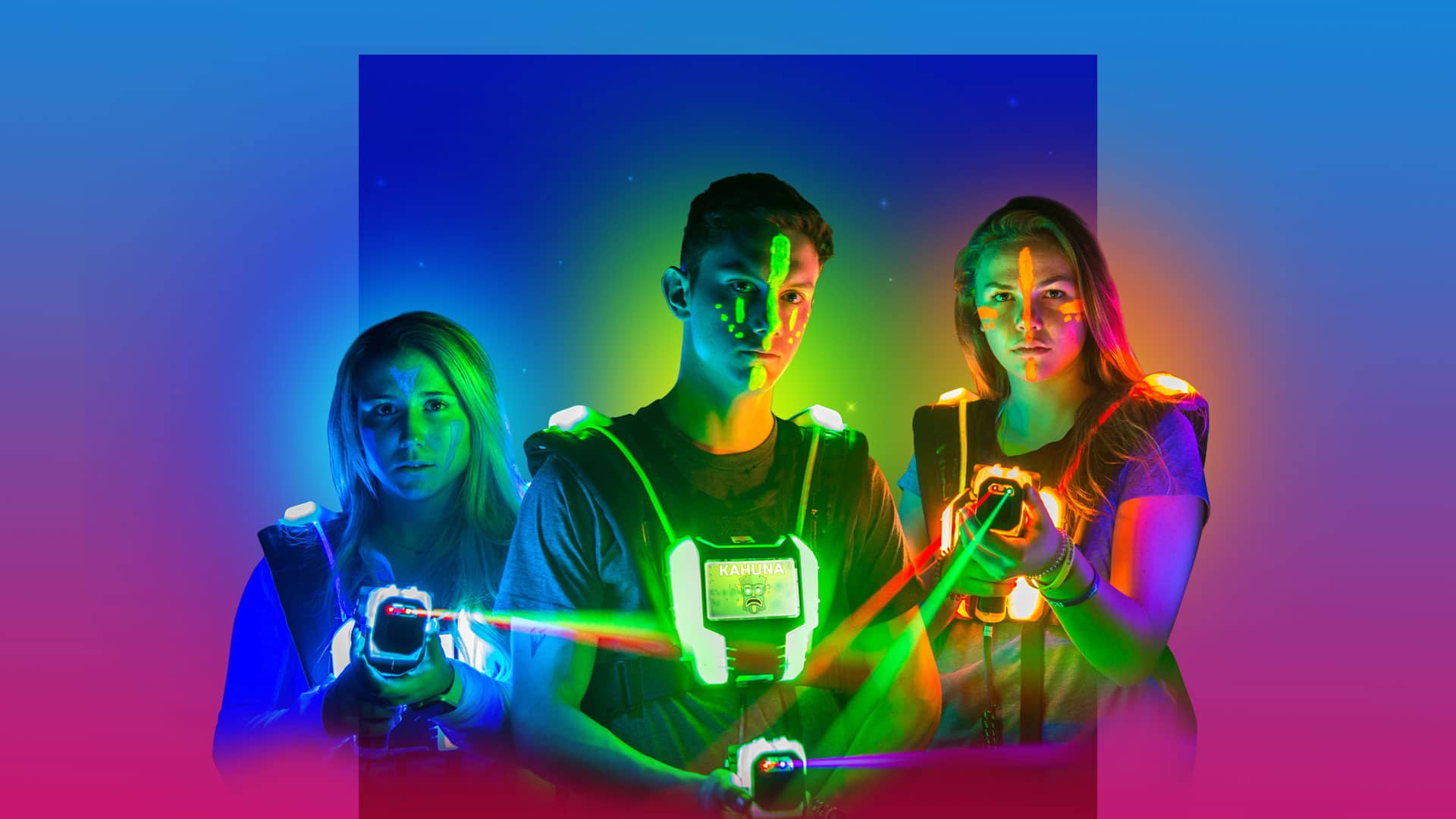
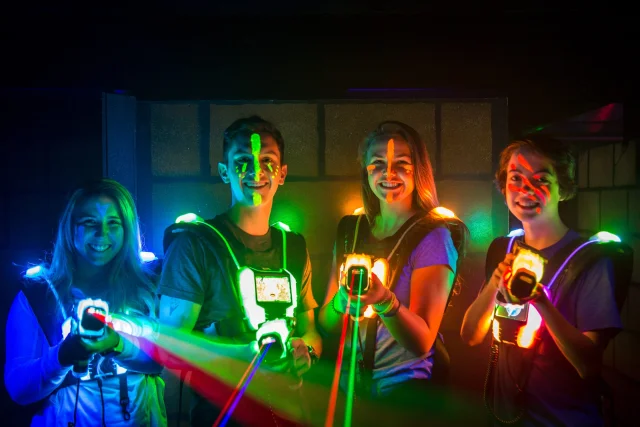
The most common setup combines a sensor vest with a connected phaser used for aiming and firing. The design, sensor placement, displays and game features vary by manufacturer and system. Gen7 and Gen8 are two generations of Laserforce equipment.

Pro Tips & Tricks

Author: Tomáš "Thomiiik" Lénárd

First game / beginner

Start with safe movement, weapon handling, and arena awareness. Advanced tactics become useful only after these basics feel natural.

Clothing and movement

Wear dark sports clothing and shoes with good grip. Keep moving, change positions, and spread across the arena instead of travelling in one group.

Shooting and arena targets

Ammunition is usually unlimited in standard modes, so take reasonable shots even when the hit is uncertain. Look for arena targets and keep firing until your equipment confirms the objective.

Holding the phaser

Keep the phaser in front of your body and aim where you look. Do not hold it directly in front of your face or far away where an opponent can tag it before you see them.

Safety and survival

Never sprint blindly around corners. Cross exposed areas promptly, and move elsewhere if repeated hits arrive from a position you cannot identify.

Equipment problems

Tell staff immediately if the phaser fails, clicks unexpectedly, or the vest behaves incorrectly. Replacing faulty equipment early saves the rest of the game.

Improving steadily

Begin with players near your level and focus on enjoyment, awareness, and reactions. Strong results come gradually through practice and fitness.

Intermediate players

Once movement feels comfortable, start reviewing mistakes, reading opponents, and deliberately varying your decisions.

Thinking and movement pace

After a lost exchange, identify what caused it. Fast walking is often enough, disturbs aim less, and leaves more attention for the arena around you.

Situational awareness

Watch reflected vest lights and laser dots, and listen for shots and footsteps. These clues can tell you where an opponent will appear and help you time a pre-fire shot.

One-on-one exchanges

Enter a duel while active and avoid predictable patterns. Change stance height, movement direction, and the side of cover from which you reappear.

Abilities and statistics

Learn how the current mode treats invulnerability, retaliation, and other abilities. After the game, check which sensors were hit most often and adjust your use of cover.

Experienced / expert players

At a higher level, small details decide outcomes: trigger rhythm, using both sides of the body, arena knowledge, and composure.

Rhythm and accuracy

Find a trigger pace at which every shot registers; pressing faster than the equipment supports can skip shots. Before play, check whether the visible beam matches the actual hit point.

Duel technique

Practise shooting from both sides and expose the phaser only as long as necessary. A quick peek, accurate shot, and return to cover beats remaining in the open.

Arena knowledge

Remember common routes, angles, and waiting positions. Use preventive shots only where they make sense, and change the pattern once opponents read it.

Mindset and recovery

Rest and concentration matter as much as technique. During a bad run, slow down briefly, reset your decisions, and do not let delayed hit registration break focus.

Protecting sensors with movement

Check that no shoulder, phaser, or other sensor remains visible behind cover. Expose only enough to see and fire immediately.

Laserball team tactics

Laserball turns the arena into a team ball game. The aim is to carry the ball into the opposing goal, so movement, communication, and reset control matter more than personal score.

Attacking with the ball

Claim space quickly after the start. The ball carrier should advance toward the opposing goal, vary the route, and use teammates instead of retreating under the team’s own target.

Reset basics

An active opponent may tag a deactivated player again before their vest lights up. Wait for reactivation behind cover and do not re-enter the exchange too soon.

Safe defense

New players should not crowd their own goal. Defense must stay mobile and controlled, and avoiding a collision takes priority even if it gives the opponent an opportunity.

Communication and passing

Call out the ball’s location and open space. Passing to a teammate near goal is often faster than carrying the ball across the whole arena alone.

Active defense and clearing

A defender should pressure attackers and try to collect the ball early rather than wait in a corner. Previous passes, clears, and player state affect whether another clear is available.

Reset advantage

After a tag, you generally hold an advantage over deactivated opponents except the last player tagged. Tagging another player or your own target can renew it; exact behavior depends on system settings.

Timing a team attack

Attack from multiple sides together or in a close sequence so the second player can continue the first attempt. Use a clear voice call when the route to goal opens.

Advanced game awareness

Track which opponents are inactive, listen to their calls, and change the attack direction accordingly. Precise callouts, reset knowledge, and support for the carrier are worth more than isolated duels.

Source: Lasergame Beroun – Tips and tricks